離開
離開 進入
進入《TAIPEI TIMES》 Childbirth accidents drop to 7-year low
2026/01/25 03:00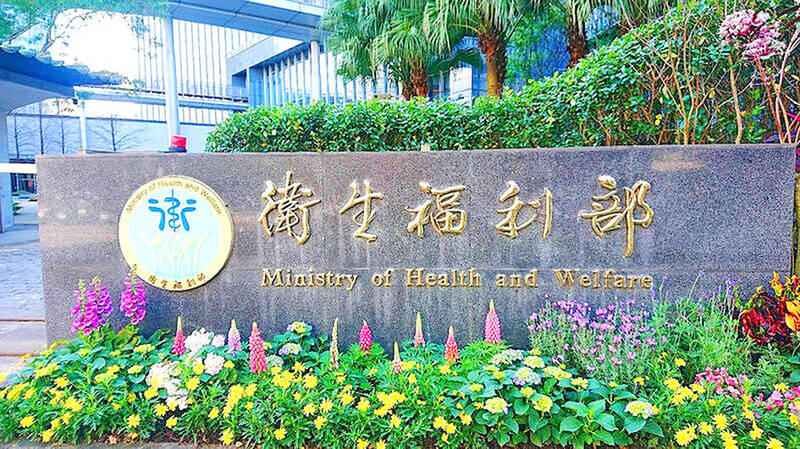
A plaque bearing the name and logo of the Ministry of Health and Welfare is pictured at its headquarters in Taipei in an undated photograph. Photo: CNA
CORRELATION?While some questioned whether the drop was due to the declining birthrate, experts said that childbirth has become safer, reducing accidents even more
By Chiu Chih-jou / Staff reporter
Childbirth accident relief cases in 2024 reached their lowest annual number in seven years, the Ministry of Health and Welfare’s latest report showed yesterday.
The decline in cases is not surprising due to the nation’s continuous birthrate drop, and the ministry said it would continue enhancing the quality of perinatal care, supporting women and families, and strengthening social responsibility.
From 2016, when the Childbirth Accident Emergency Relief Act (生產事故救濟條例) was promulgated, until the end of 2024, there were 2,308 approved cases granting more than NT$1.45 billion (US$46.2 million) in aid, the report said.
There were 260 cases approved in 2024, the lowest annual number in seven years, as well as the first decline in three consecutive years, the report said.
Department of Medical Affairs Director-General Liu Yueh-ping (劉越萍) yesterday said it is “indeed possible” that the number of cases dropped because the number of births has been reducing, but it could also to some extent reflect that childbirth has become safer.
In the past few years, the policy focus has shifted from “post-event compensation” to “proactive prevention,” including perinatal medical networks, enhancing risk management for postpartum hemorrhage and embolism, and collaborating with obstetrics and pediatrics associations to identify areas for improvement and reduce risks for mothers and infants by reviewing cases, she said.
The report showed that amniotic fluid embolism remains the leading cause of maternal deaths and cases resulting in moderate-to-severe disabilities, while most neonatal deaths and major injuries were related to brain abnormalities, including hypoxic-ischemic encephalopathy and cerebral hemorrhage.
Data from all years shows that the three leading causes of maternal deaths were postpartum hemorrhage, followed by vascular or pulmonary embolism and amniotic fluid embolism.
In response to high-risk factors such as postpartum hemorrhage and thrombosis, the ministry has implemented an integrated care model, along with venous and pulmonary embolism prevention programs, Liu said.
Giving an example of enhanced cooperation between hospitals and clinics under the perinatal medical system, she said in an emergency such as postpartum hemorrhage, hospitals would provide immediate support to nearby clinics through blood transfusions and referrals, improving the efficiency of emergency response.
The ministry is also collaborating with medical associations to implement alert mechanisms for high-risk pregnancies, increasing awareness of postpartum venous thrombosis risks by promoting habits that can reduce the risks, such as avoiding prolonged bed rest and wearing compression stockings, Liu said.
Taiwan Association of Obstetrics and Gynecology secretary-general Huang Jian-pei (黃建霈) said if the decline in cases was only due to reduced childbirth, the number would not have dropped so significantly, suggesting that the efforts by the government and healthcare providers are beginning to yield results.
However, Taiwan’s maternal mortality rate in 2023 was approximately 12 per 100,000 live births, higher than Japan’s 3.6 and slightly higher than South Korea’s 10.
Huang said it could be because some primary care clinics tend to retain patients for financial or operational reasons as the nation’s birthrates decline, but if high-risk expectant mothers are not promptly referred to a hospital, the window for effective intervention could be missed.
Moreover, the low birthrate has caused some obstetric clinics to close down, with rural and remote areas being hit the hardest, he said, adding that with these clinics gone, pregnancy risks in the area increase, so the government should offer more comprehensive referral incentives to ensure high-risk mothers are well protected, rather than granting post-event remediation.
Fetal death accounts for more than half of all childbirth relief cases, and aside from uncontrollable factors such as umbilical cord accidents, delayed intervention for conditions like gestational diabetes and pre-eclampsia can significantly increase the risks, Huang said.
Conceiving a baby at a suitable age and maintaining a healthy physical condition during pregnancy are the primary keys to reducing overall risk, he said.
新聞來源:TAIPEI TIMES