離開
離開 進入
進入《TAIPEI TIMES》 Ministry to adjust long-term care rates
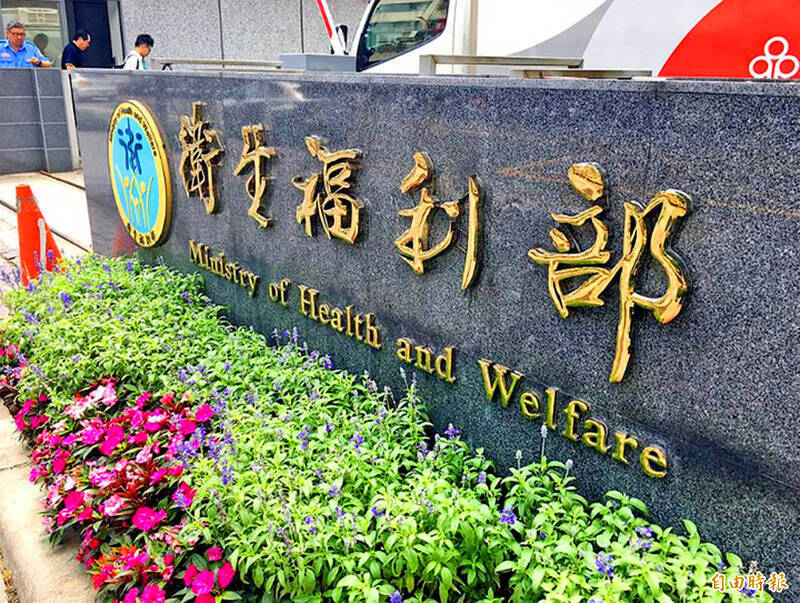
People walk past a wall in front of the Ministry of Health and Welfare in Taipei in an undated photograph. Photo: Lin Hui-chin, Taipei Times
EXPANDING SUPPORT:The amendments would expand care to people with early-onset dementia and post-acute care, and increase payouts to long-term care providers
By Lin Hui-chin and Jake Chung / Staff reporter, with staff writer
The Ministry of Health and Welfare’s (MOHW) amendments to the Regulations on Application and Payouts for Long-term Care Services (長期照顧服務申請及給付辦法) introduce sweeping changes and are expected to benefit about 730,000 people with increased services, an official said yesterday.
While statistics show that long-term healthcare users numbered 560,000 last year, the government estimates the total population of those with disabilities stands at 720,000, Department of Long-Term Care Deputy Director-General Wu Hsi-wen (吳希文) said.
With about 6,000 people with early-onset dementia and post-acute care (PAC) being eligible for long-term healthcare services starting next year, Wu said total beneficiaries stand at about 730,000.
Starting after Lunar New Year next year, people with early-onset dementia and PAC would also be eligible for long-term healthcare services, she said.
By September, families hiring foreign caregivers would also have access to community care services in addition to the current services, equipment, transportation and respite care, the ministry said.
The ministry said that 200,000 families hire the services of foreign carers, in addition to utilizing services already provided by long-term healthcare policies.
Communal transportation and pickup services, designated BD03 under the policy, would offer services to communal day care facilities for physically and mentally challenged people, and foster care homes and other social welfare facilities starting in September, the amendment said.
Payouts for the trips would be increased to NT$115 per trip, up from NT$100, for standard areas, and to NT$138 per trip, up from NT$120, for indigenous townships or outlying islands, the amendment said.
Changes to nutritional care service payouts for long-term care patients with a need for nutritional balance would take effect in September, with a set of three nutritional services costing NT$4,500, up from four times for NT$4,000, the amendment said.
Adjustments to respite care would also take effect in September, allowing care providers to not only assist patients in their own homes, but also to accompany them to exercise or take walks in backyards, communal plazas or nearby parks, the ministry said.
From July next year, the ministry is to introduce “smart” equipment, Wu said, pointing to mattresses that could assist patients with turning over, mobility-assistance equipment that could detect obstacles and equipment to help monitor urine levels.
The ministry said it recognizes that the pricing for such equipment might be relatively high and has included it under subsidy payouts, increasing to NT$60,000 from NT$40,000 over a three-year period.
新聞來源:TAIPEI TIMES